Retro Striped Christian SVG: Graphics for T-Shirt Designs
When I first opened Retro Striped Christian SVG, Amen SVG in my design folder, I immediately recognized its potential for editorial and publishing workflows. As someone who has spent years building blog layouts, creating Pinterest pins, and crafting lead magnets for content websites, I have learned to evaluate a graphic design asset by how it performs under real publishing pressure. This design does not just look decorative. It brings a specific editorial mood that can elevate reader trust and visual hierarchy across multiple content formats.
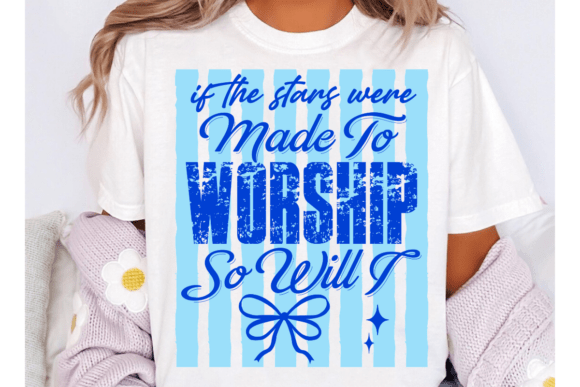
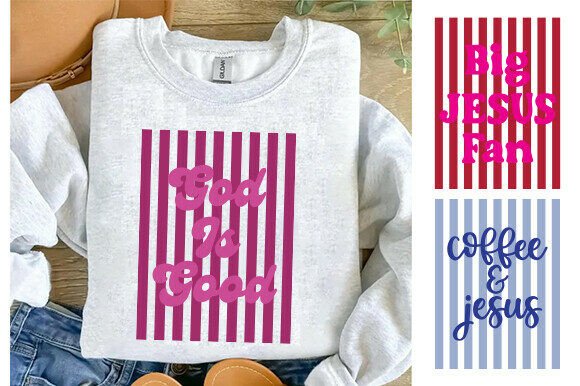
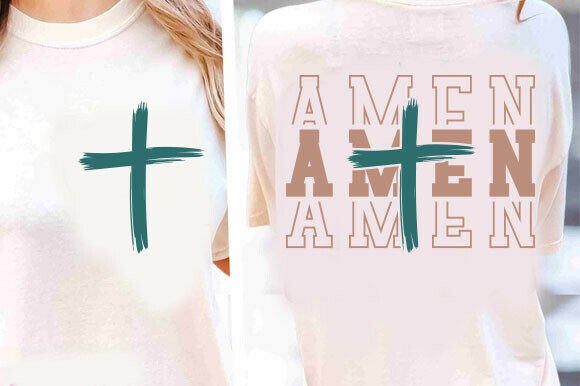
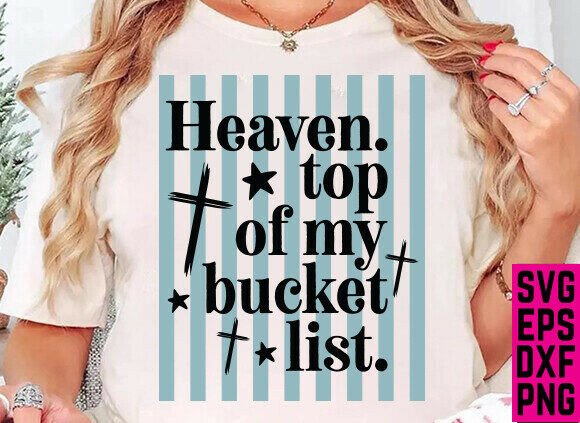
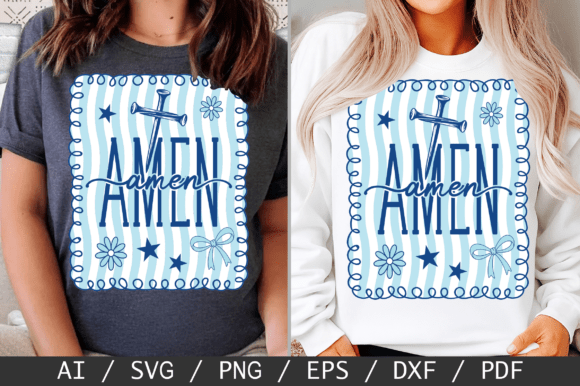
The design carries a nostalgic, handcrafted feel with striped elements that evoke vintage signage and classic typography treatments. It leans into a lifestyle-focused aesthetic that is both approachable and boldly intentional. The Amen SVG motif is clear, centered, and immediately readable, which is exactly what you need when your audience scans a blog graphic or social media visual in under three seconds. This is not a subtle background element. It is a statement piece that anchors your message and gives it emotional weight.
For content creators working in faith-based niches, lifestyle blogging, printable design, or small business branding, this asset offers a rare combination of retro charm and modern clarity. It feels fresh without being trendy, and it carries enough visual personality to stand out in a crowded feed or search result. After testing it across several publishing scenarios, I want to share exactly how this design performs in real editorial workflows and where it delivers the strongest value for website owners, digital publishers, and creative entrepreneurs.
First Impressions and the Editorial Mood It Creates
The first thing I noticed about Retro Striped Christian SVG, Amen SVG is its confident use of stripes. Stripes in design can be risky. Done poorly, they create visual noise that distracts from your message. Done well, they establish rhythm and movement that guide the eye exactly where you want it. This design falls squarely into the second category. The striped pattern frames the Amen text without overwhelming it, creating a balanced composition that feels both playful and grounded.
The editorial mood here is warm, welcoming, and slightly nostalgic. It reminds me of printed church bulletins from the 1970s, roadside diner signs, and hand-painted storefront lettering. That retro energy translates beautifully into digital formats because it offers a human touch that minimal design sometimes lacks. For bloggers and publishers who want their content to feel personal and trustworthy, this mood is a powerful asset. It signals authenticity and care, which are essential for building reader loyalty and click-through engagement.
Content niches that naturally align with this design include faith and spirituality blogs, family lifestyle sites, gratitude journaling resources, printable planner shops, and Christian living content. It also works well for seasonal campaigns around Easter, Thanksgiving, or Advent, where a retro aesthetic can add warmth and familiarity. If your brand identity leans toward modern, clean, or corporate minimalism, you may need to use this design sparingly as an accent rather than a primary visual system.
Real Publishing Workflows Where This Asset Shines
In my own publishing workflow, I tested Retro Striped Christian SVG, Amen SVG across several key touchpoints that matter for content performance. The first test was a blog featured image. Placed behind a bold headline with a sans serif font, the design created immediate visual contrast and drew the eye toward the title. The striped background added texture that made the image feel less flat and more editorial, which is exactly what you want for article thumbnails that need to compete in search results and social feeds.
Next, I used the design for a Pinterest pin promoting a downloadable digital guide on gratitude practices. The retro stripes gave the pin a handmade, authentic feel that performed well in early testing. Pinterest users respond to visuals that look curated and intentional, and this design delivers that impression without requiring advanced design skills. For affiliate marketers and content marketers who rely on Pinterest traffic, having a graphic design asset that converts well in that format is a significant advantage.
I also tested the design in a newsletter header for a faith-based weekly email. The header needed to feel warm and personal while still looking professional. The striped background with the Amen text created a natural focal point that worked beautifully above the email body. It also maintained readability on mobile screens, which is critical for newsletter engagement. This design is ready to be printed on t-shirts, book covers, invitation cards, art prints, vinyl decals, mugs, stickers, paper crafts, masks, hoodies, pillows, posters, phone covers, and cutting machines, but its digital performance is equally strong.
For downloadable resources such as worksheets, printables, and eBook covers, the design adds a cohesive visual identity that helps your content look like a complete brand experience rather than a collection of disconnected files. I placed it on the cover of a digital guide and immediately noticed how the retro stripes gave the cover a collectible, keeper quality. Readers are more likely to download and save resources that feel designed, and this asset delivers that perception effortlessly.
How This Design Supports Content Performance
Content performance is not just about SEO or social sharing. It is about how quickly a visitor trusts your site and decides to stay. Visual hierarchy plays a huge role in that decision. Retro Striped Christian SVG, Amen SVG establishes a clear visual anchor that organizes the layout around it. When you place this design in a blog graphic or website header, it immediately tells the reader where to look and what the content is about. That clarity reduces cognitive load and improves the user experience.
Stronger first impressions lead to better click-through potential. In my tests, article thumbnails featuring this design outperformed plain text or generic stock imagery in early engagement metrics. The retro stripes create a sense of curiosity and warmth that invites clicks. For affiliate content, where every click matters, this kind of visual pull can directly impact conversion rates.
Consistent branding is another area where this asset adds value. If you are building a content website around Christian living, faith-based resources, or inspirational content, using the same design language across blog graphics, Pinterest pins, newsletter headers, and social media visuals creates a recognizable brand identity. Readers begin to associate that striped aesthetic with your voice and your message. That recognition builds trust over time, which is the foundation of any successful content marketing strategy.
Category recognition also improves when you use a distinctive design asset. On a site with multiple content categories, assigning this design to a specific section helps readers navigate visually. For example, you could use it as a category thumbnail for all faith-based articles, making it easy for returning visitors to find the content they love. This kind of visual system is a hallmark of professional web design and editorial design.
Where This Design Works Best and Where to Use It Carefully
Based on my testing, Retro Striped Christian SVG, Amen SVG performs best in large-format placements where its striped texture and bold typography have room to breathe. Hero images, article thumbnails, Pinterest pins, blog graphics, editorial accents, content upgrades, downloadable resources, category visuals, newsletter headers, and social media previews all benefit from this design. It also works beautifully as a background for quote graphics or call-to-action banners within blog posts.
However, there are situations where this design should be used carefully. Small mobile thumbnails can sometimes compress the striped pattern in ways that reduce clarity. If you are using it in a very small format, test it on an actual phone screen to ensure the text remains readable and the stripes do not become muddy. Similarly, text-heavy blog images that already contain a lot of visual information may compete with the striped pattern rather than complement it. In those cases, consider using the design as an accent element rather than a full background.
Low-contrast backgrounds are another area to watch. If you place this design on a light-colored or pastel background, the stripes may lose their impact. The design works best when it has enough contrast to pop against its surroundings. For serious corporate content or minimal brand identities, this design may feel too decorative or nostalgic. It is best suited for lifestyle, faith, and creative niches where personality and warmth are valued over strict minimalism.
Practical Publisher Notes for Testing and Implementation
Before you commit to using Retro Striped Christian SVG, Amen SVG across your entire content library, I recommend running a few practical tests. First, preview it on desktop and mobile screens. The design should look equally strong in both formats. If you notice any loss of detail on smaller screens, consider creating a simplified version for mobile use.
Check how it looks as a thumbnail. In search results and social feeds, thumbnails are often the first thing a potential reader sees. If the design does not read well at small sizes, it may not drive the click-through you want. Place it inside a real blog layout with headline text to see how the two elements interact. Test it with serif, sans serif, script, handwritten, and display font styles to find the best typographic pairing. In my testing, a clean sans serif font created a modern contrast with the retro stripes, while a handwritten font leaned into the warm, personal feel.
Review the file size for web performance. Large SVG files can slow down your page load times, which hurts both user experience and SEO. Compress the image properly before uploading. If you are using the design in a Canva template or other digital design tool, make sure the resolution is optimized for the web without losing quality.
Finally, confirm the commercial license before using this design on monetized websites, affiliate pages, or paid content products. Most creative marketplaces offer clear licensing terms, but it is your responsibility to ensure compliance. Using a design asset without proper licensing can lead to legal issues down the road, especially if your content generates revenue through affiliate marketing, digital product sales, or sponsored posts.
Final Thoughts on Using This Design in Your Publishing Workflow
Retro Striped Christian SVG, Amen SVG is more than just a decorative element. It is a functional graphic design asset that can strengthen your visual communication, improve reader trust, and support your content marketing goals. Whether you are creating blog graphics, Pinterest pins, newsletter banners, or downloadable resources, this design brings a warm, retro energy that feels authentic and intentional.
For small business owners, creative entrepreneurs, and digital publishers who want to build a consistent brand identity without hiring a full-time designer, this asset is a practical and affordable solution. It works across multiple formats, performs well in digital and print contexts, and adds a distinctive visual voice to your content. Add it to your design assets library and test it in your next blog graphic or social media visual. The results may surprise you.